.png)
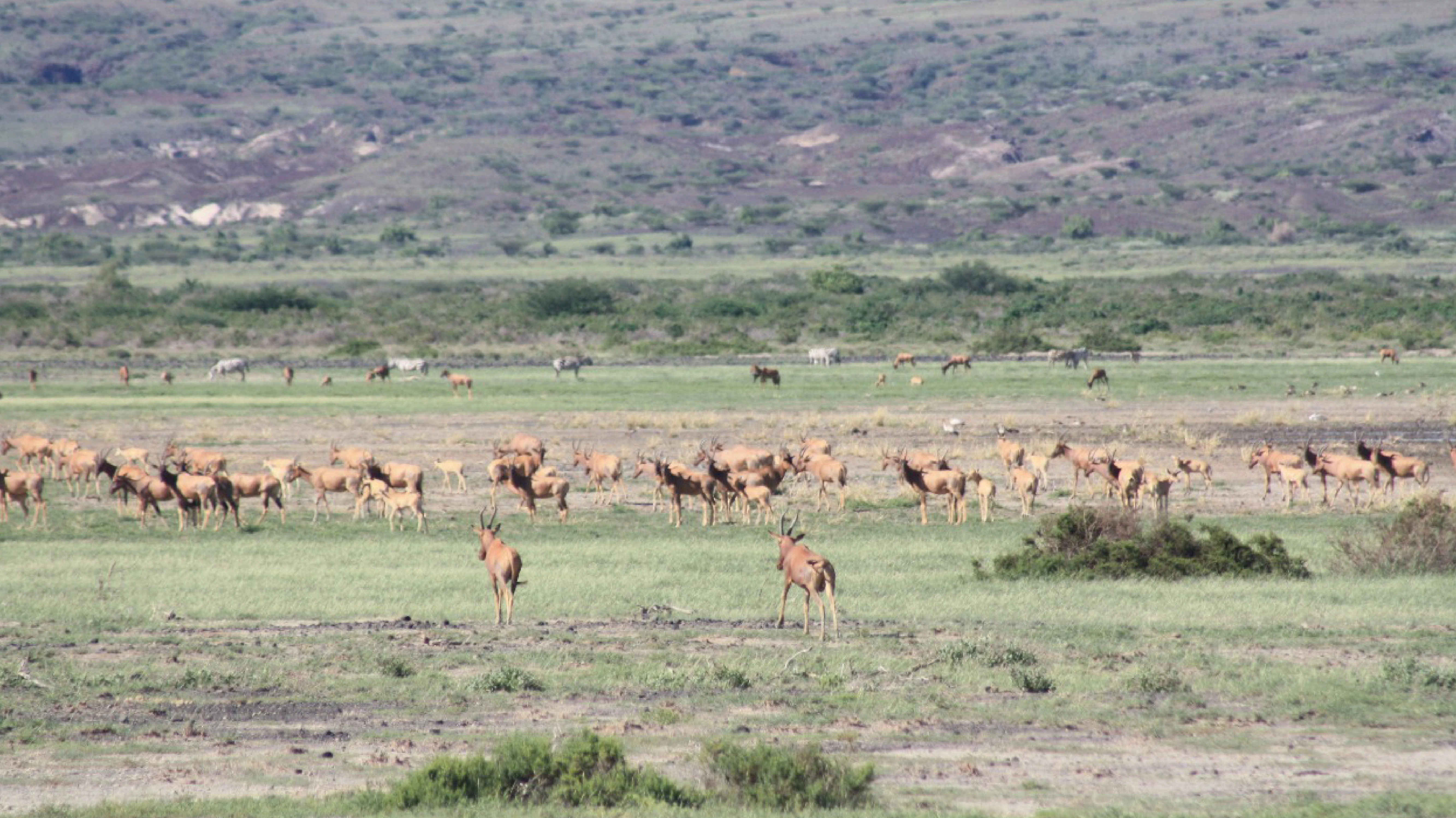
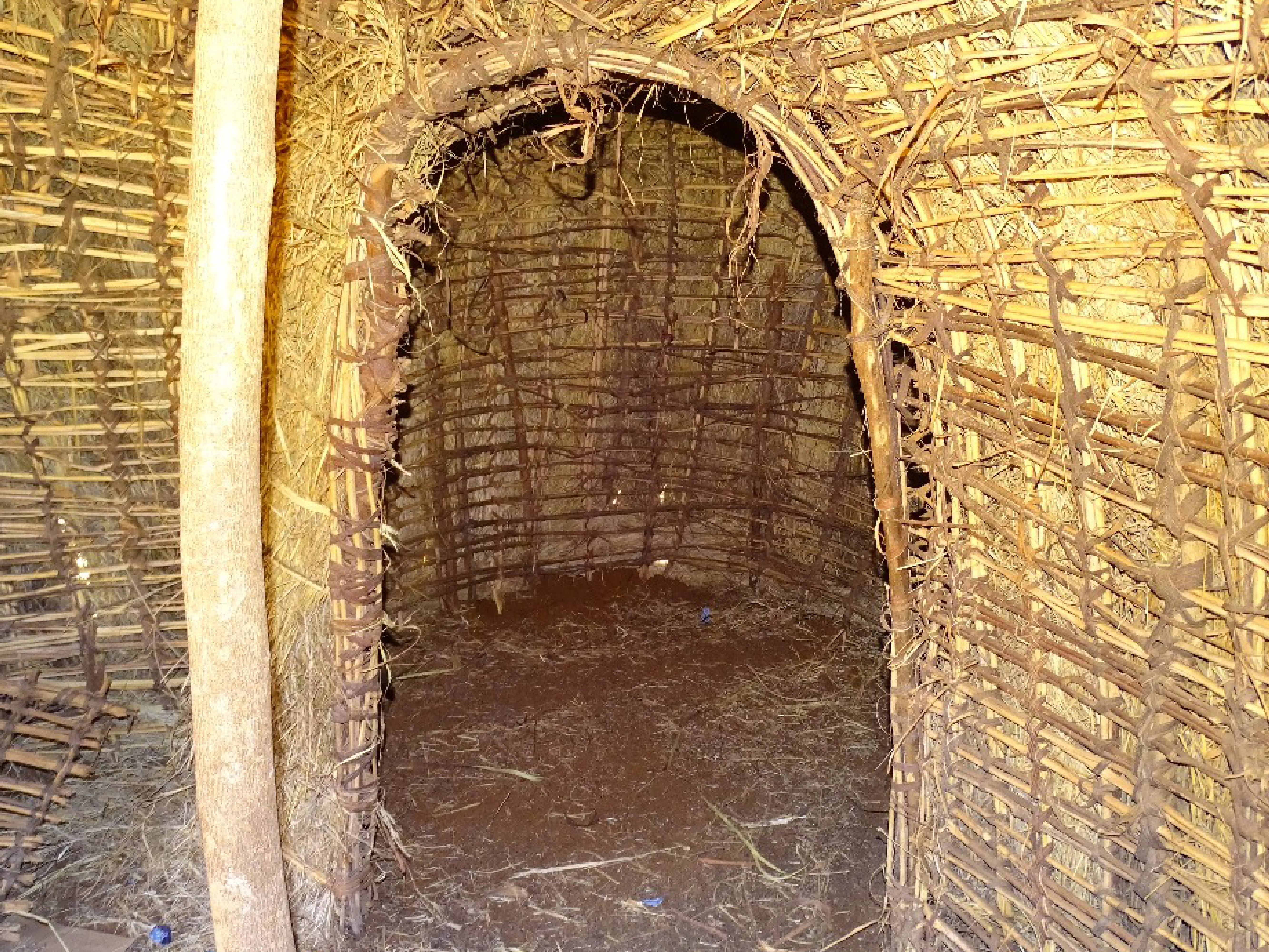
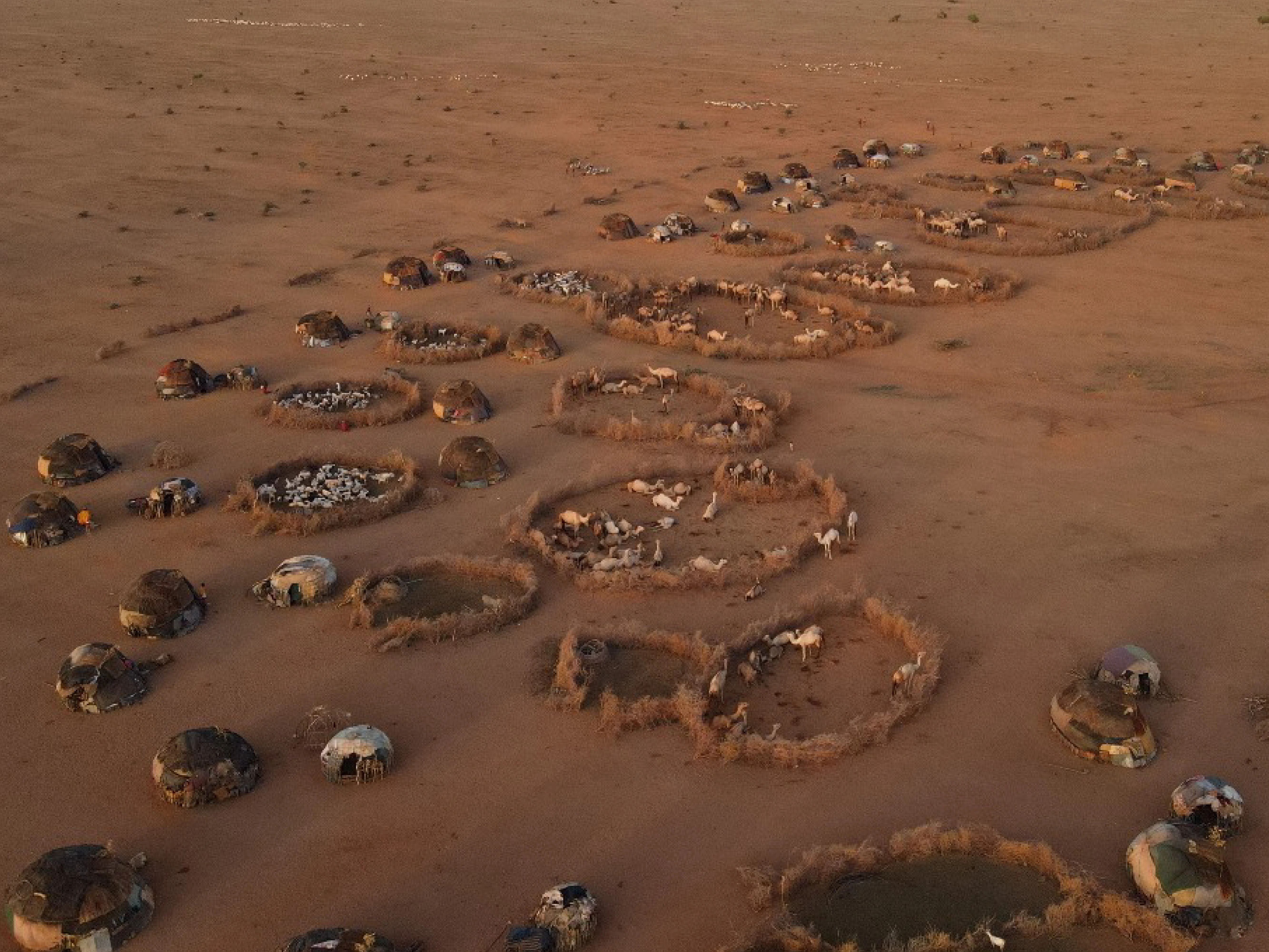
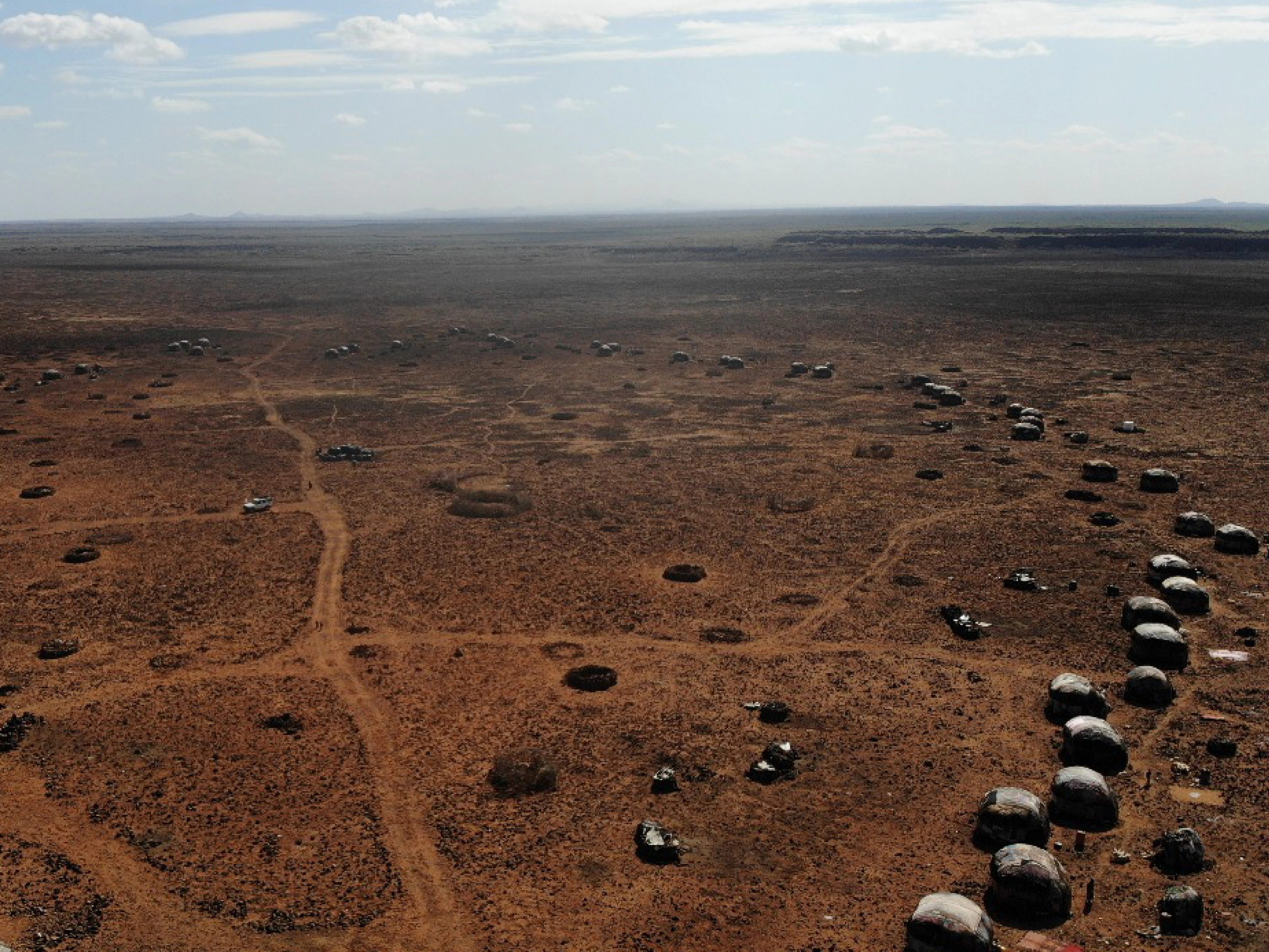
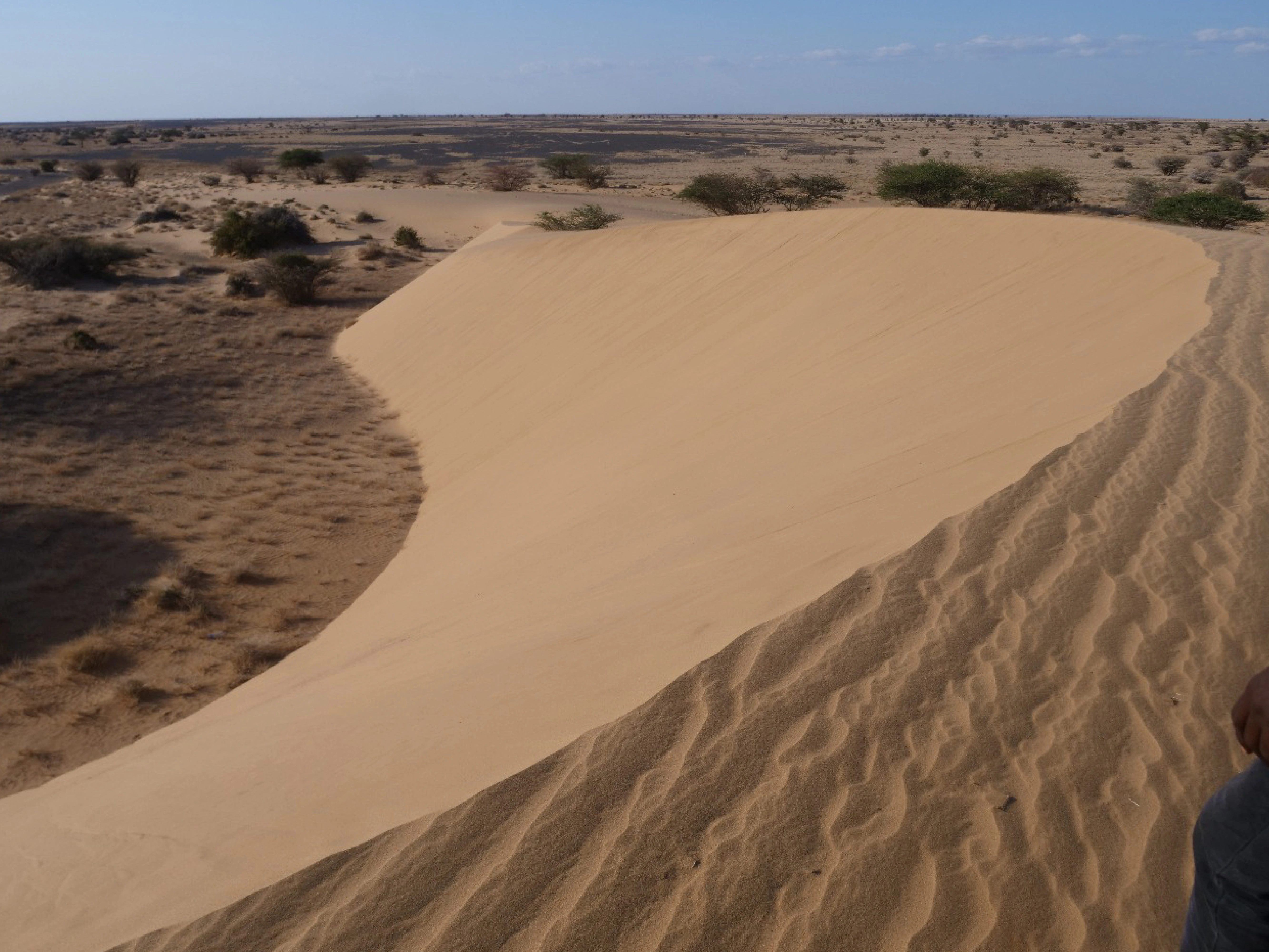
The Marsabit Impact Travel Program is an innovative travel experience that fuses adventure with purpose. Tucked away in the wild beauty of Northern Kenya, Marsabit County offers travelers a rare opportunity to explore vibrant cultures, breathtaking landscapes, and deeply rooted traditions—while making a lasting difference in the lives of local communities. This immersive tour excursion integrates cultural celebration, social contribution, environmental learning, and community empowerment—a holistic approach to tourism that invites visitors to connect, contribute, and create impact. Travelers become co-creators of change while exploring one of Kenya’s most underexplored gems.
.webp)
.webp)
.webp)
.webp)
.webp)
.webp)
.webp)
.webp)
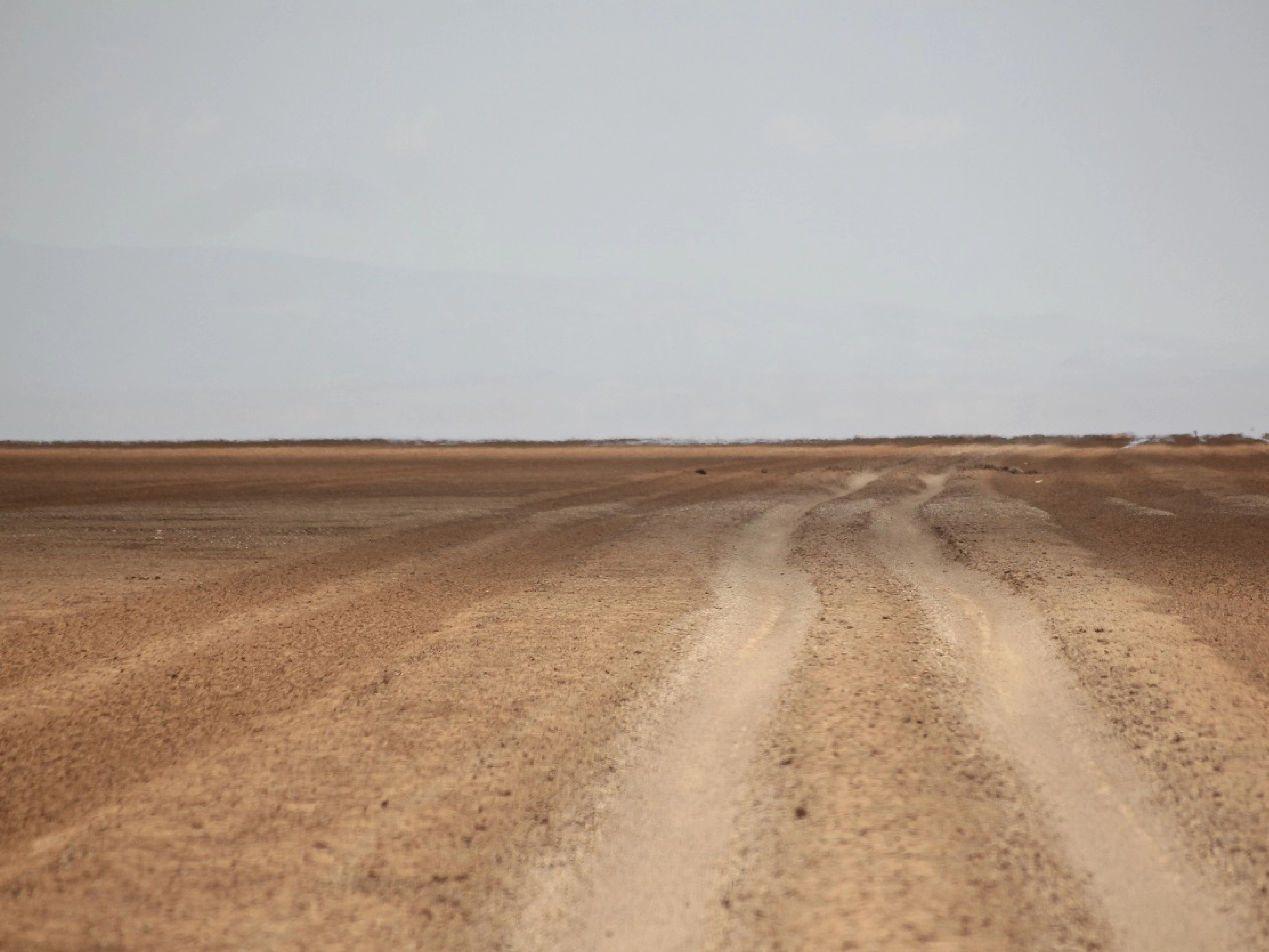
✅ Untouched beauty: From Lake Paradise and Mt. Marsabit’s cloud forest to the mystical Chalbi Desert.
✅ Rich diversity: Home to over 14 ethnic communities with deep cultural roots.
✅ Community readiness: Strong local enthusiasm for sustainable tourism and cultural preservation.
Marsabit is not just a destination—it's an experience of resilience, beauty, and collective empowerment.
By the end of each tour cycle, we aim to:
✅ Generate income for at least 50 local households
✅ Plant 1,000+ indigenous trees annually
✅ Reach 200+ school children with environmental education
✅ Train 30+ youth and women in tourism and leadership
✅ Produce at least 10 podcast episodes per year
✅ Facilitate 100+ volunteer hours per group
The Marsabit Impact Travel Program invites individuals, groups, and organizations to be part of a movement—where travel becomes transformation. Whether you’re an adventurer, changemaker, creative, or learner, your journey leaves footprints of purpose.
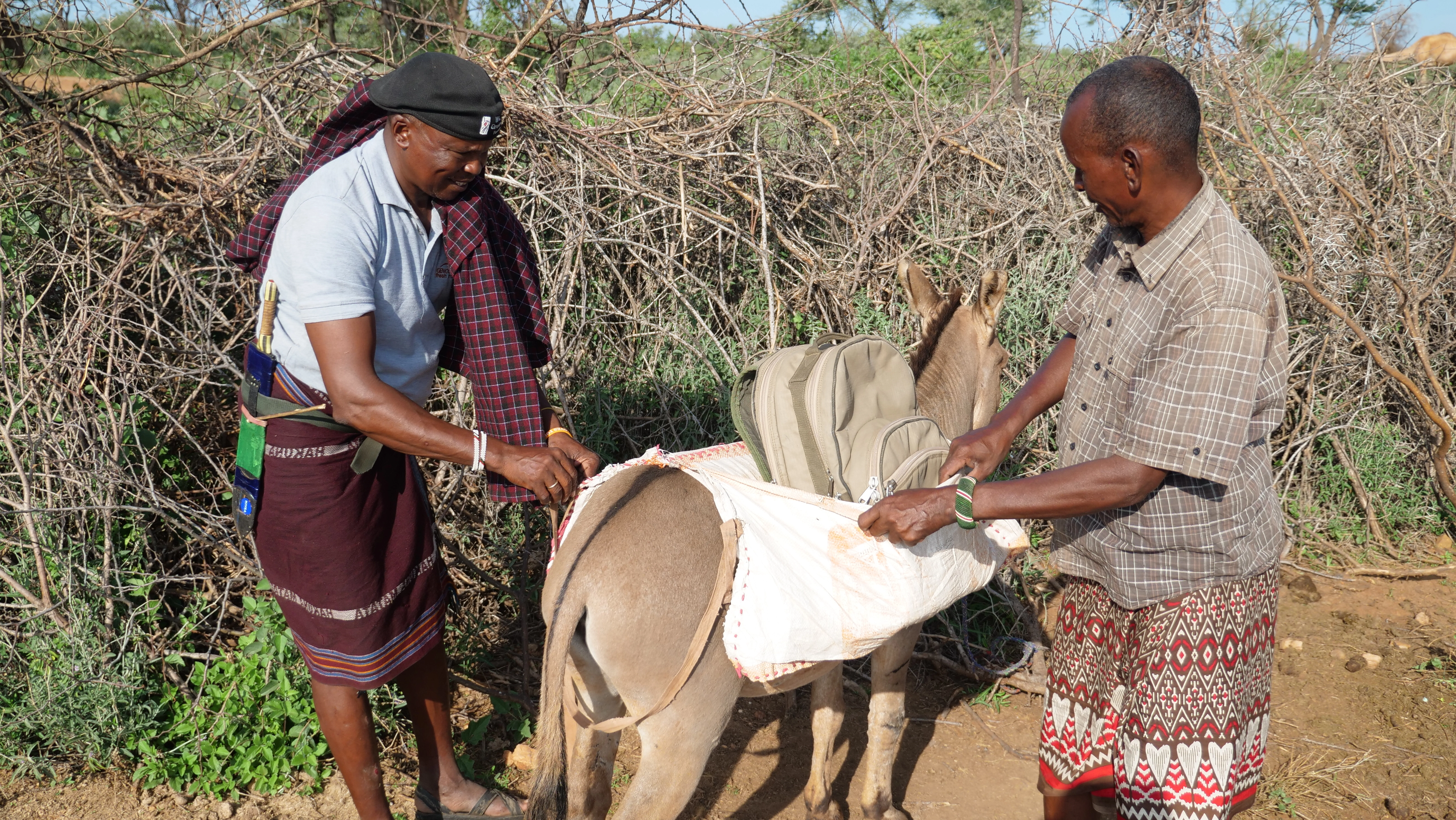
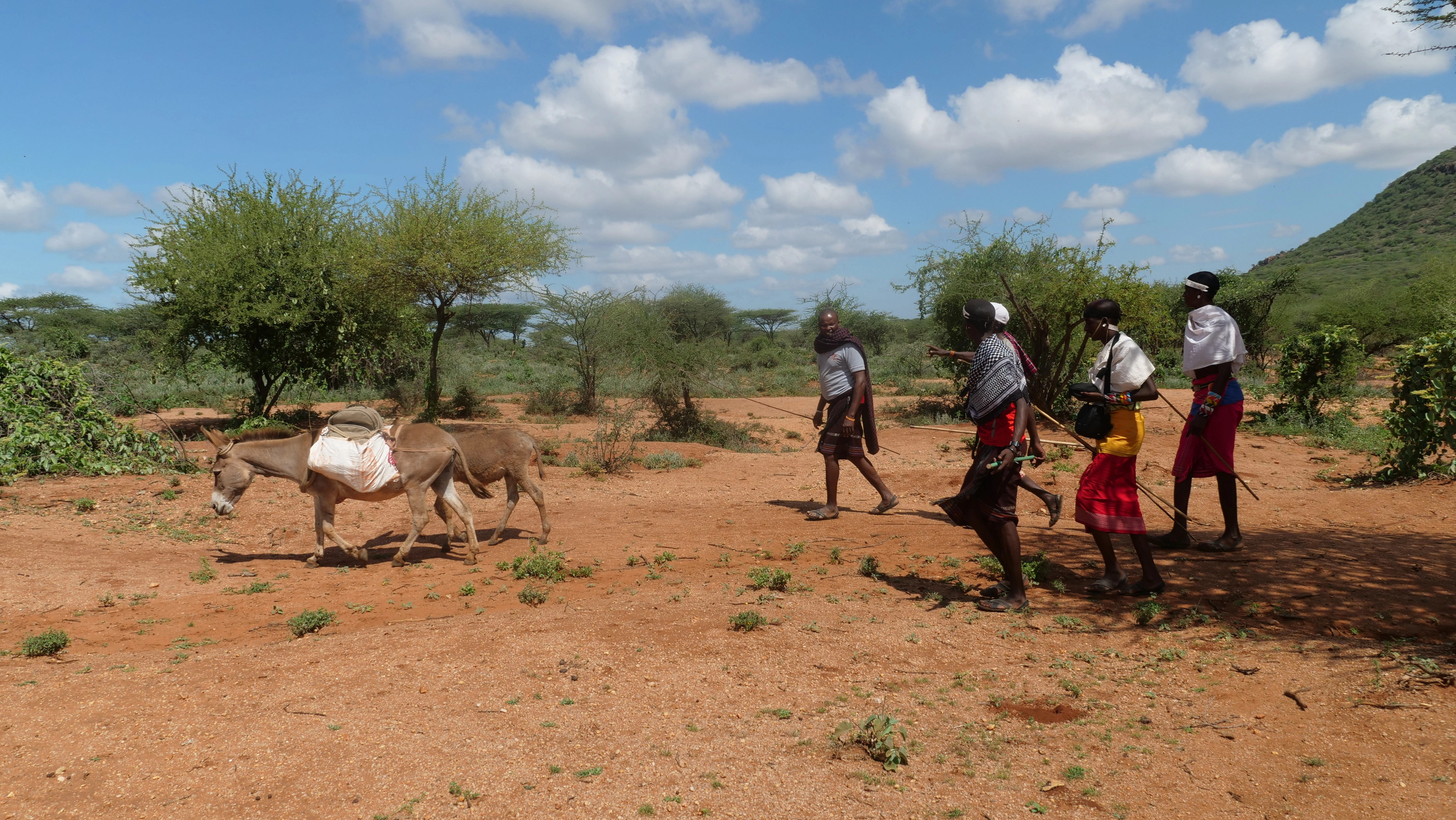
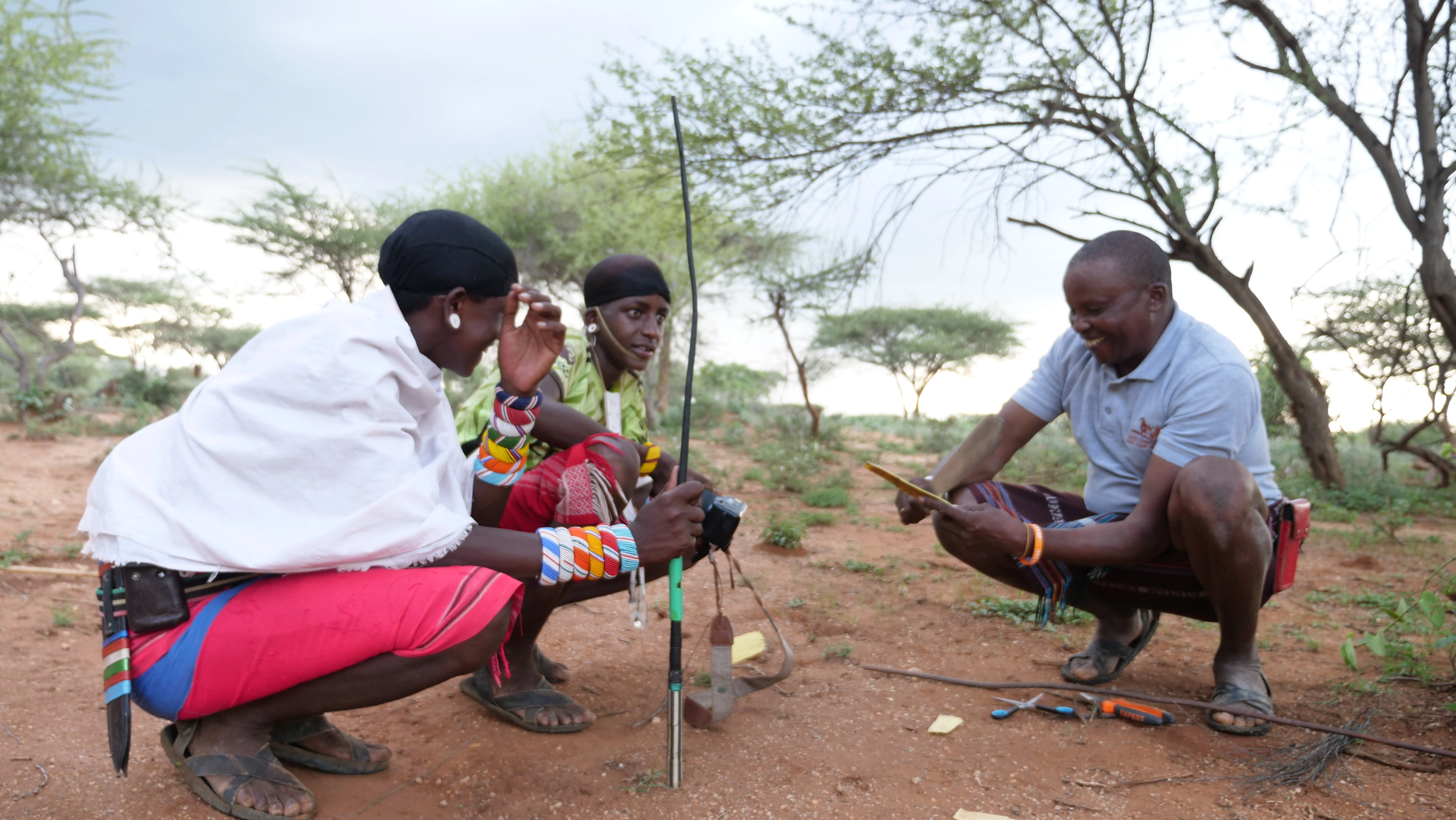
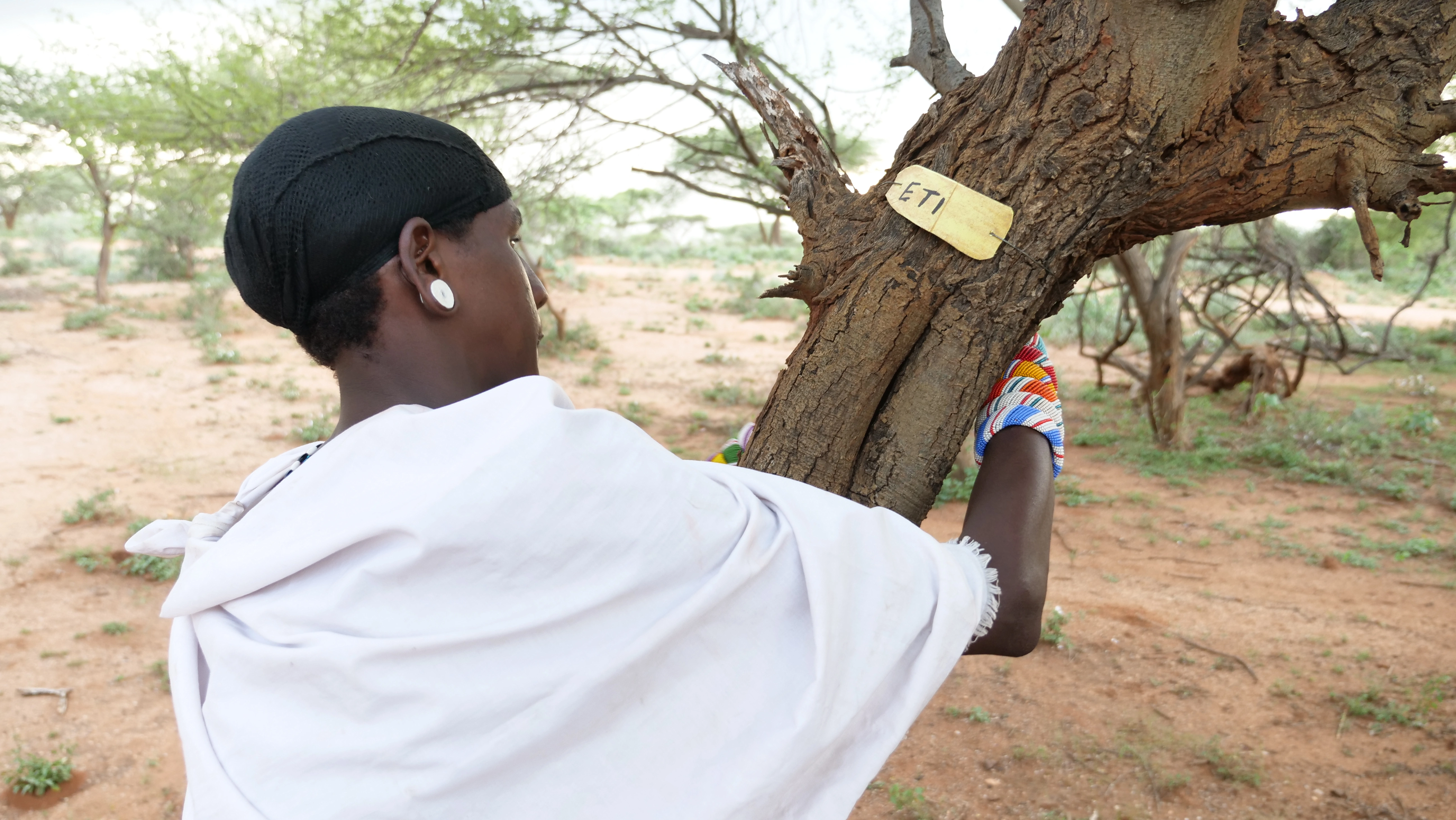
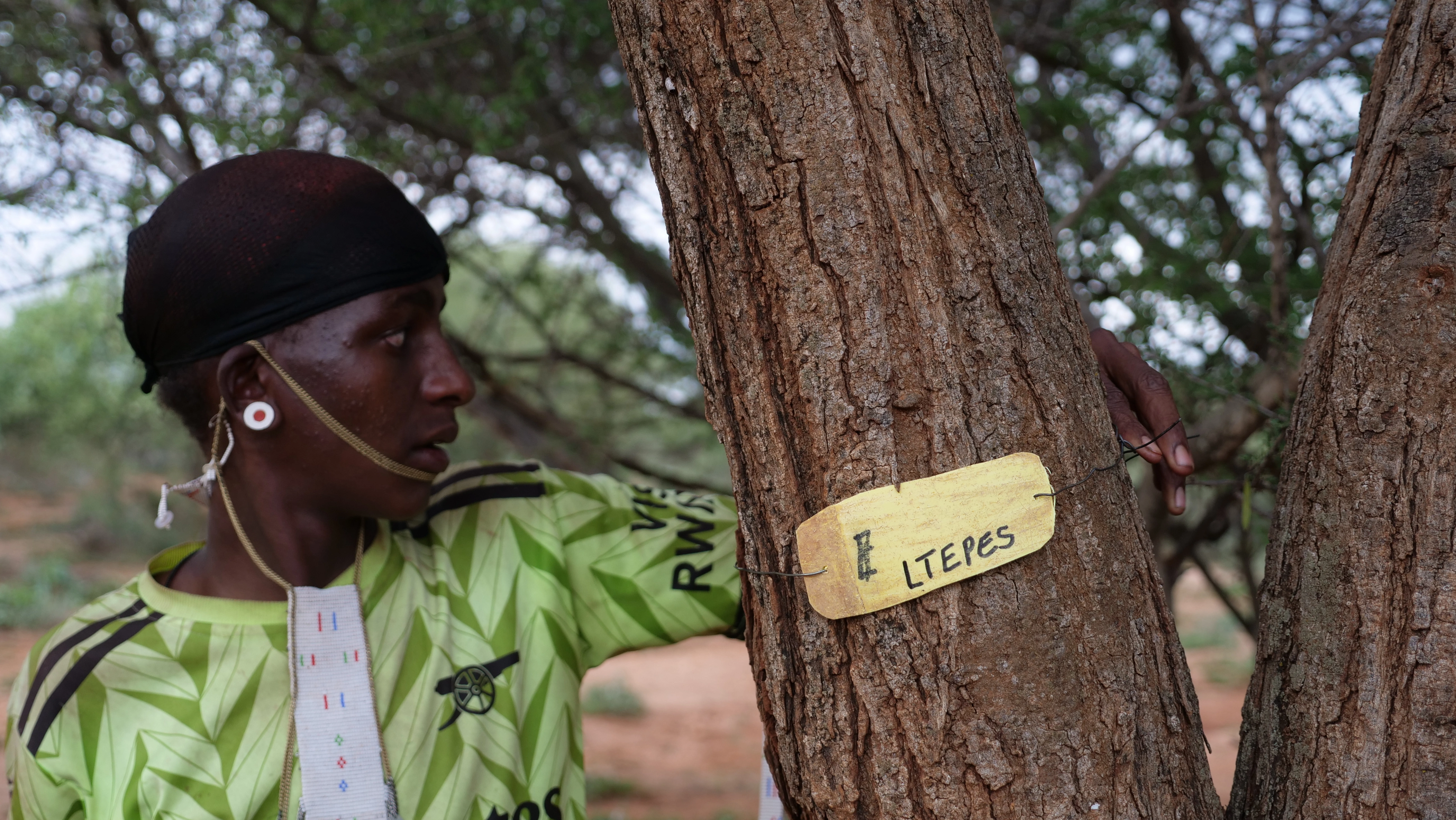
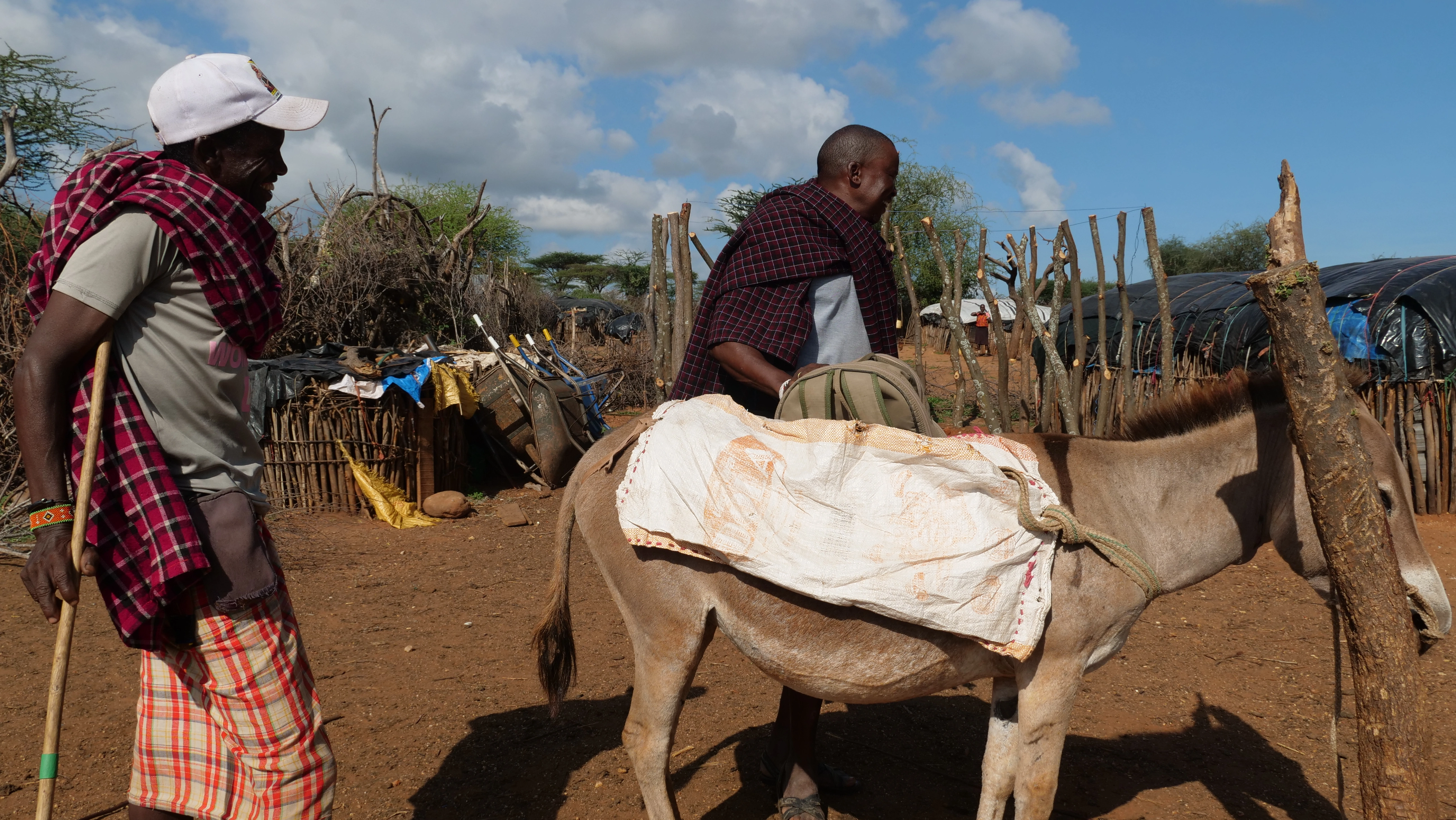
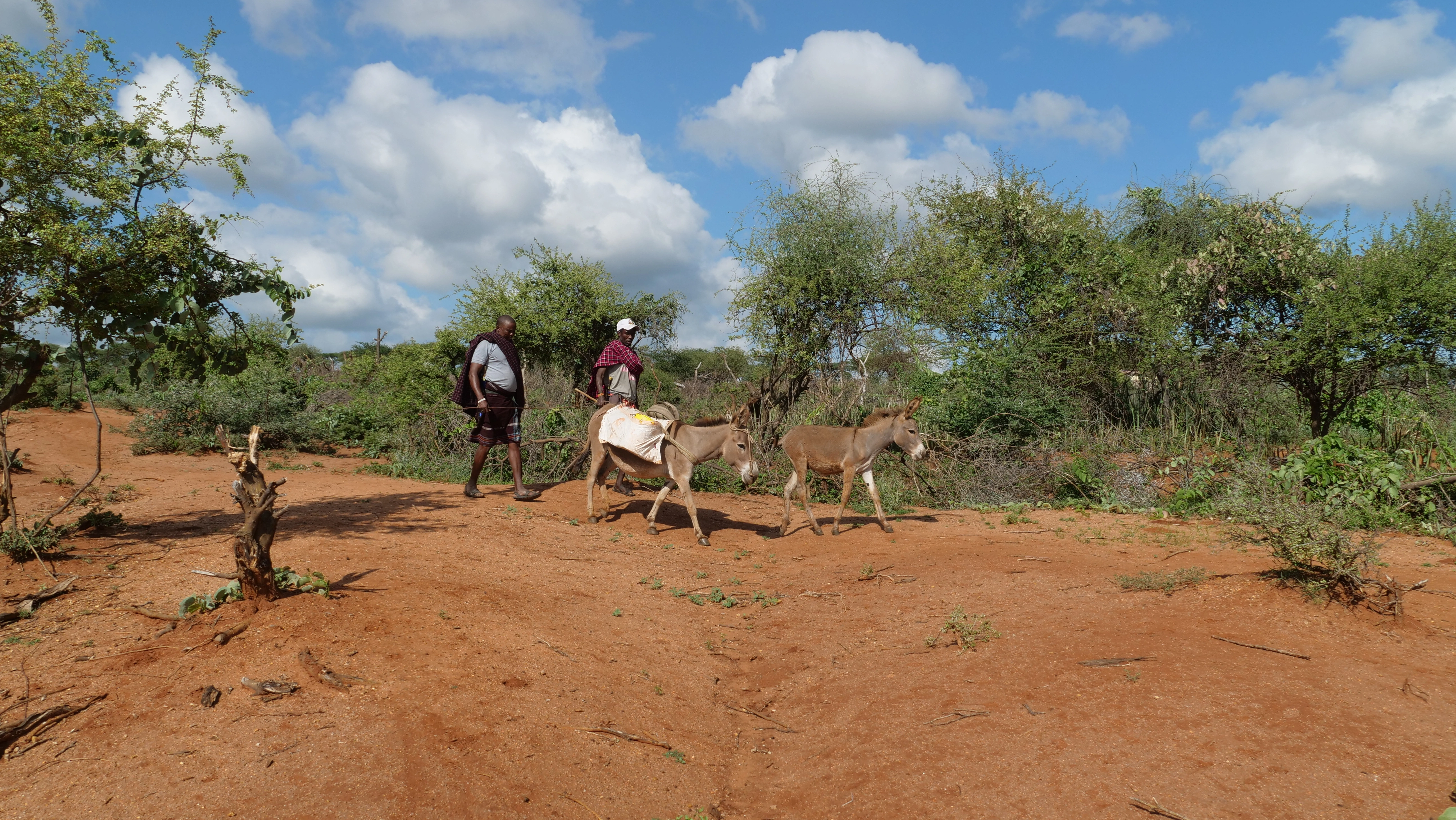
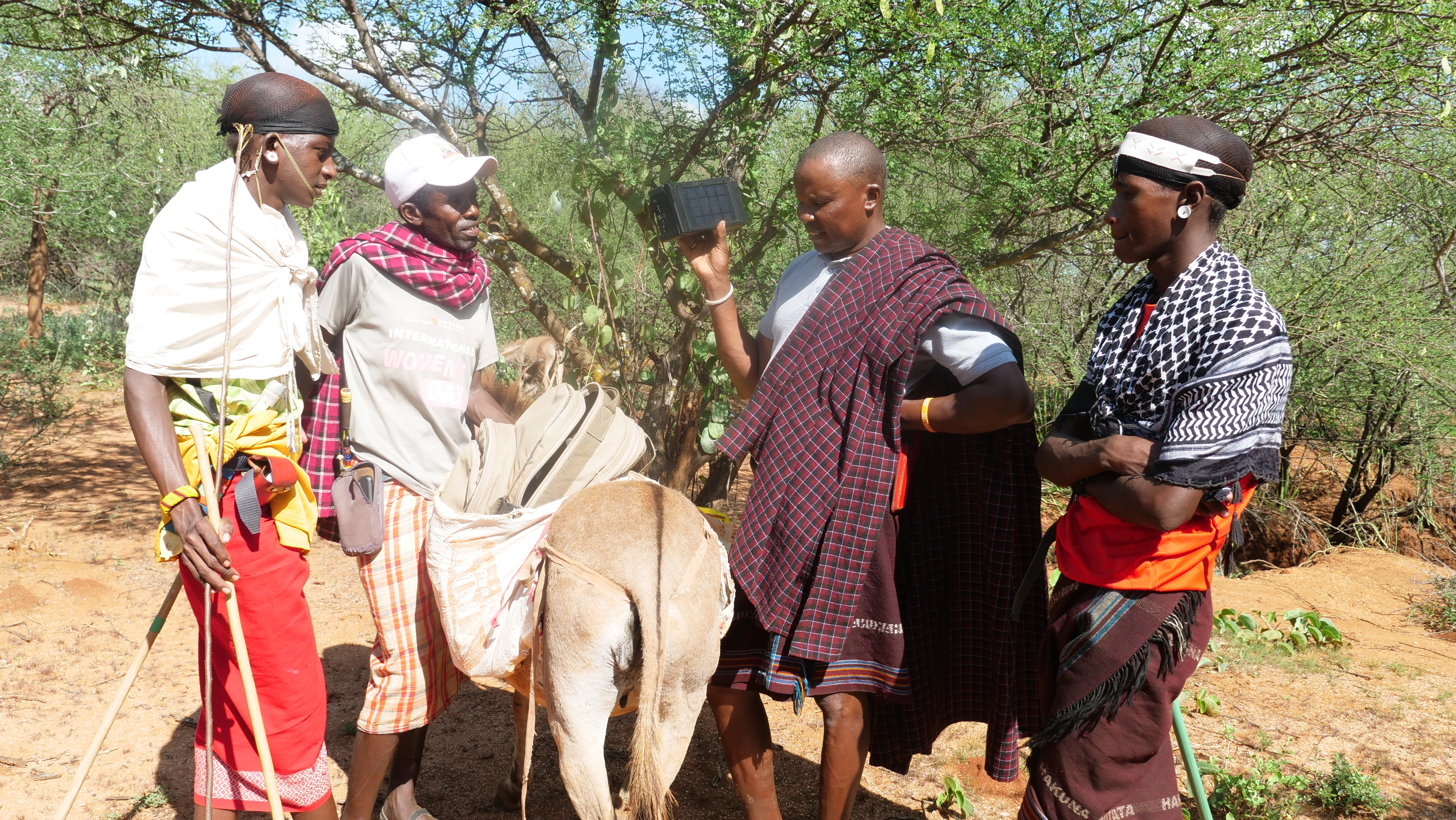
Acha Foundation is leveraging the donkey's historical role as a reliable beast of burden to bridge the information gap in remote pastoralist areas of Kenya. The initiative, known as the "Donkey Courier Caravan" or "Mobile Information Hub", utilizes these resilient animals to reach unreached communities, delivering vital resources and facilitating information exchange where road networks are non-existent. In the vast, arid landscapes of Kenya, where modern infrastructure often ends, the Acha Foundation is revitalizing an age-old partnership between humans and donkeys to deliver a modern necessity: information. Our innovative Donkey Courier Caravan serves as a mobile information and literacy hub, traversing challenging terrain to link isolated pastoralist communities with essential awareness services and resources.
Our Mission
To bridge the digital and literacy divide by providing a dynamic platform for education, information exchange, community empowerment, and the vital documentation of local culture and indigenous knowledge, utilizing sustainable and locally-appropriate transportation methods.
The Caravan in Action
Led and driven by respected community members, the caravans are a familiar and trusted sight. Each donkey is outfitted to carry a variety of resources:
Educational Materials: Books, pamphlets, and visual aids for literacy programs and health awareness.
Information Kiosks: Tools for sharing insights on sustainable practices, animal husbandry, economic empowerment, experiential learning, and public health.
Cultural Exchange Hubs: Platforms for local dialogue, storytelling, and feedback collection to preserve indigenous knowledge and cultural heritage.
Documentation Tools: Cameras and audio devices for recording traditions, stories, and practices for future generations.
Why the Donkey?
The donkey is the ideal partner for this mission:
Unmatched Adaptability: Thrives in desert conditions and rugged terrain.
Access to All Areas: Can reach villages that vehicles cannot.
Cultural Harmony: Perfectly integrated into the pastoralist lifestyle, fostering trust and acceptance.
The Donkey Courier Caravan is a testament to the power of simple, effective solutions. By harnessing the humble donkey, Acha Foundation is delivering knowledge, sparking conversations, and empowering nomadic communities to build brighter futures—one village at a time—while preserving their cultural heritage.
A Program Activity of the Acha Foundation
The Acha Foundation’s Wild Honey for Conservation & Culture program works with pastoral and indigenous communities in Pokot, Samburu, Ilchamus, and Laikipia to protect one of northern Kenya’s most remarkable ecological and cultural systems: wild honey harvesting guided by the Greater Honeyguide bird.
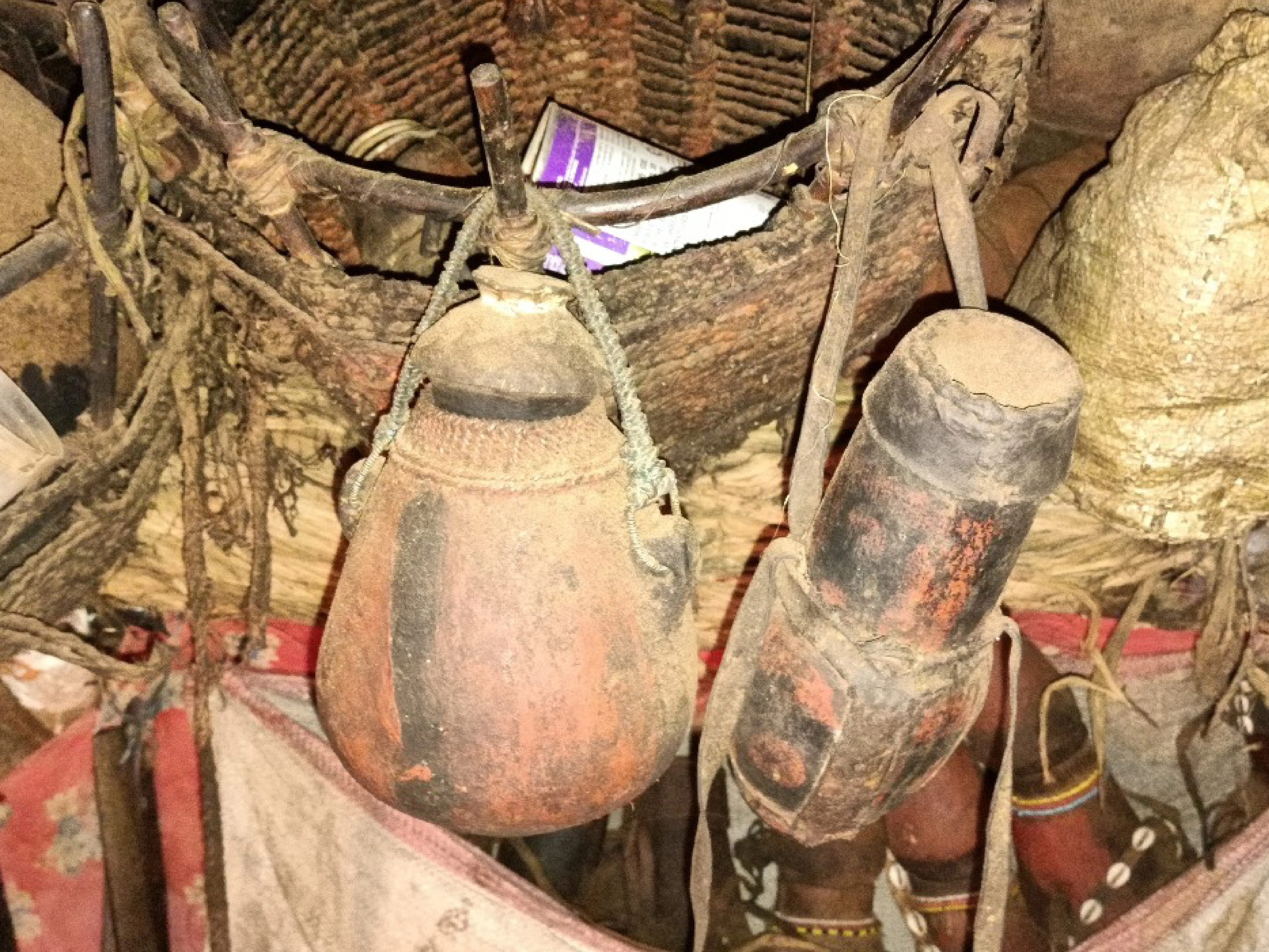
These northern rangelands are among Kenya’s last pesticide-free landscapes, where indigenous forests naturally support wild bees that produce pure, chemical-free honey. For centuries, communities have harvested this honey through a rare partnership with the honeyguide—a bird that leads people to hidden wild hives and feeds on the leftover comb.
Today, this relationship is under threat. Modern beekeeping methods bypass the honeyguide, indigenous trees are disappearing, and traditional ecological knowledge is fading. This program positions wild honey as a vehicle for conservation, culture, and community livelihoods.
The Acha Foundation is developing a conservation-centered wild honey program and brand that ensures every jar sold contributes directly to biodiversity protection and cultural continuity.
A portion of all wild honey proceeds supports honeyguide monitoring, habitat protection, and community-led conservation awareness.
We work with local harvesters to sustain human–honeyguide cooperation, promoting ethical wild-hive harvesting that protects bees, birds, and forests.
Communities are engaged in identifying, restoring, and safeguarding key nectar and hive-host tree species, strengthening forest stewardship.
The program documents and shares stories of honey harvesting, indigenous values, and pastoral relationships with land, wildlife, and seasons.
Through premium ethical markets, pastoral harvesters earn higher incomes while protecting the landscapes they depend on.
By supporting this initiative, partners and consumers help protect a rare ecological partnership found nowhere else on Earth. Wild honey becomes more than a product—it becomes a tool for conservation, dignity, and resilience.
Every spoon sustains a bird, a forest, and a culture.
The Acha Foundation invites partners, donors, and ethical markets committed to biodiversity, indigenous knowledge, and sustainable livelihoods to join us in scaling this unique northern Kenya initiative.
.webp)
.webp)
.webp)
.webp)
.webp)